Diaspora Leadership & Success Stories
The Power of Giving Without Seeking the Spotlight

DIASPORA BEAT MAGAZINE | NOVEMBER 2026 | PHILANTHROPY & HUMAN IMPACT
The Power of Giving Without Seeking the Spotlight
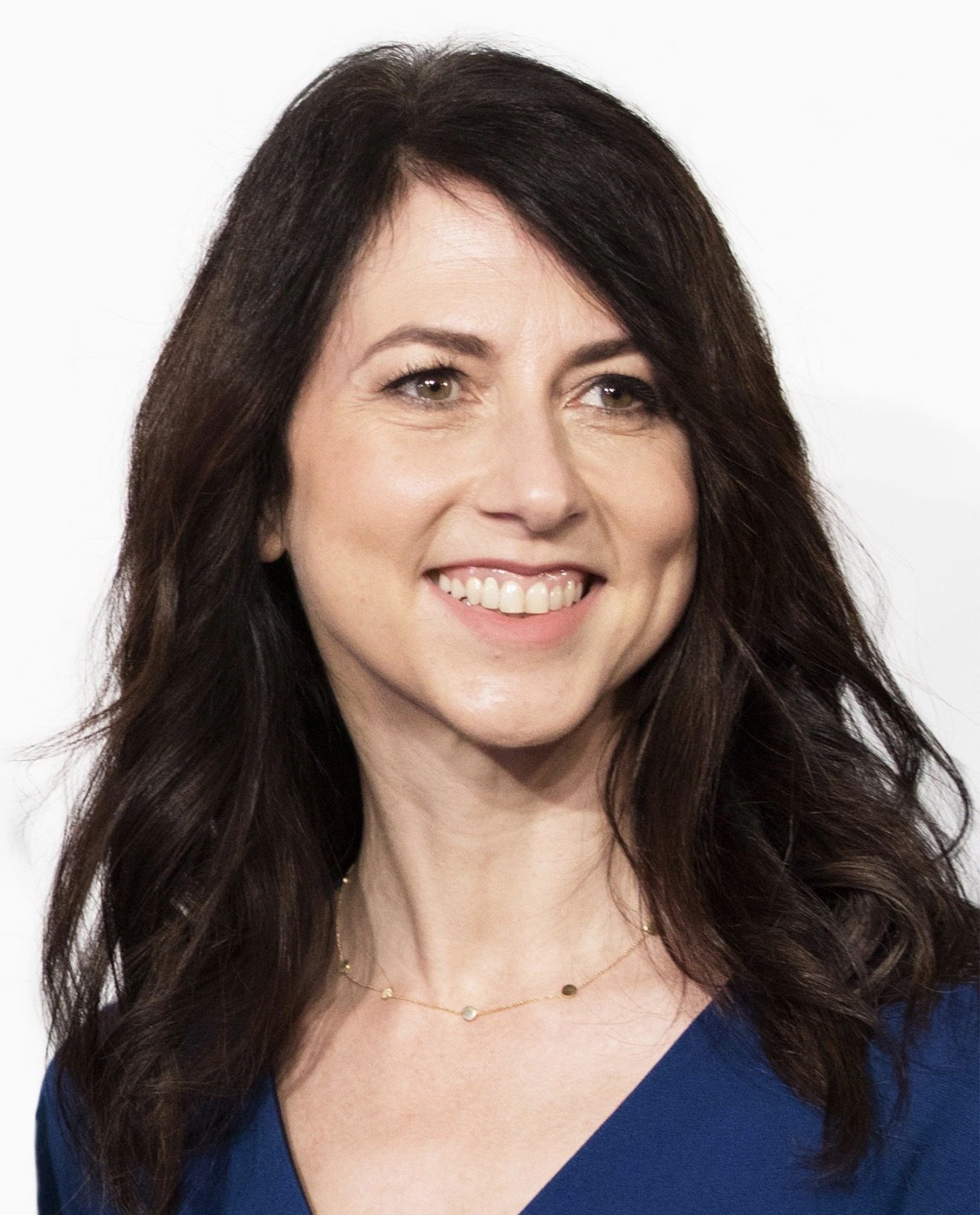
MacKenzie Scott: The billionaire changing lives by giving away billions, trusting communities, and proving that generosity doesn’t need an audience to make a difference.
By Diaspora Beat Magazine | The Official Magazine of DHR Life
Imagine receiving a phone call that could change the future of your entire organization.
You lead a nonprofit helping struggling families, providing education to underserved children or supporting women who have spent years fighting for a better life. Every day, you are faced with difficult decisions about funding, staffing and the people who depend on your services.
Then, unexpectedly, someone offers your organization millions of dollars.
No elaborate publicity campaign. No demand to rename your building. No requirement that every dollar be spent according to the donor’s personal instructions.
Just an extraordinary investment in the work you are already doing.
For organizations supported by MacKenzie Scott, this is more than a hypothetical situation. It reflects an approach to philanthropy that is challenging long-established traditions of charitable giving.
And perhaps the most remarkable part of her story is that she has achieved extraordinary influence without making herself the centre of attention.
The woman behind billions in generosity
MacKenzie Scott is an American novelist, philanthropist and early contributor to Amazon’s development.
Her name became internationally prominent following her 2019 divorce from Amazon founder Jeff Bezos, when she received a substantial financial stake in the company.
But what she chose to do with her wealth has created a legacy of its own.
Rather than focus on building a public image around her fortune, Scott committed herself to redistributing much of it to organizations serving communities in need.
Through her giving platform, Yield Giving, she has supported work in education, economic opportunity, healthcare, social justice and community development.
THE SCALE OF HER GENEROSITY
$26B+
Total charitable giving reported
2,700+
Gifts to nonprofit organizations
Figures published by Yield Giving, accessed November 2026. Yield Giving +1
These numbers are extraordinary. Yet what distinguishes Scott’s philosophy is not simply the amount of money she gives.
It is the trust she places in the people receiving it.
What if we trusted the people already doing the work?
Traditional philanthropy often comes with extensive conditions.
Organizations may spend months preparing applications, producing reports, meeting donor expectations and adapting programmes to qualify for financial support.
MacKenzie Scott has taken a different approach.
Many of her donations are unrestricted, meaning recipient organizations can decide how best to use the funds.
Instead of telling nonprofit leaders what their communities need, she gives them the financial freedom to respond to those needs themselves.
Her approach recognizes a simple truth: the people working directly with vulnerable communities often understand their challenges better than someone observing from a distance.
The Center for Effective Philanthropy found in a multiyear study that her large, unrestricted gifts had substantially strengthened recipient organizations and helped them serve their communities. The Center for Effective Philanthropy
This is more than financial generosity. It represents a shift in power.
It is the difference between saying, “Here is what I want you to do,” and saying, “I believe in what you are doing. Here are the resources to do it better.”
The lives behind the donations
When people hear about a billionaire donating millions, the conversation often begins and ends with the amount.
But the real story is about what those donations make possible.
A community college may be able to offer more scholarships to students who could not otherwise afford an education.
A nonprofit supporting women may be able to expand services, hire qualified staff or reach families who have been waiting for help.
An organization addressing food insecurity may gain the stability to serve more households.
And a community organization working in an underserved neighbourhood may finally have the resources to plan beyond the next fundraising campaign.
Scott has also supported organizations with direct connections to Africa, including CAMFED, which works to expand educational opportunities for girls and young women. The organization received further support from Scott in 2025. AP News
That connection is especially meaningful for African communities and the diaspora.
Education can change the direction of a young person’s life. Financial stability can strengthen an entire family. Supporting community organizations can create opportunities that continue long after an individual donation has been spent.
This is why Scott’s approach deserves attention.
She is not only transferring money. She is helping established organizations build the capacity to continue their work.
A different kind of influence
In an age when personal branding, social media visibility and public recognition often define success, MacKenzie Scott offers a striking contrast.
She rarely grants interviews and communicates much of her philanthropic thinking through occasional written essays.
Her donations do become public, and their scale naturally attracts considerable attention. But she generally avoids making public recognition a condition of her giving.
There is something powerful about that distinction.
Not every act of generosity needs a camera.
Not every successful person needs to be applauded for helping someone else.
And not every meaningful contribution must carry the donor’s name.
Scott’s example encourages us to reconsider what influence really means.
Perhaps influence is not always about how many people know your name.
Sometimes it is about how many lives improve because of a decision you made, even if those people never meet you.
The DHR Life connection: Giving that empowers communities
At DHR Life, the philosophy behind MacKenzie Scott’s giving reflects an important principle of sustainable community development: lasting change is more likely when people and organizations receive the support and trust they need to succeed.
Across African and diaspora communities, countless individuals are already doing extraordinary work with limited resources.
There are community leaders organizing support for struggling families, volunteers helping young people access education, entrepreneurs creating employment opportunities and organizations assisting people through some of life’s most difficult circumstances.
Many do not lack passion or commitment.
They lack resources.
Scott’s story encourages a different way of thinking about how we support them.
Rather than always creating new initiatives, why not strengthen the organizations already delivering meaningful services?
Rather than assuming we know what communities need, why not listen to the people who work directly with them?
And rather than making recognition the centre of philanthropy, why not focus on the lives being changed?
These questions align with DHR Life’s vision of bringing people together to create opportunities, strengthen communities and make success more meaningful through service to others.
A lesson for successful Africans around the world
The African diaspora is filled with talented professionals, entrepreneurs, investors and business leaders who have built successful lives abroad.
Many already support relatives, contribute to community projects and send resources to their countries of origin.
But MacKenzie Scott’s example suggests there are additional ways to turn individual achievement into lasting community impact.
A successful business owner could help fund a community education programme.
A professional could support an organization working with disadvantaged young people.
A group of diaspora entrepreneurs could come together to provide reliable funding to a grassroots organization with a proven record of helping families.
Even modest contributions can become significant when people give consistently and work together.
The lesson is not that everyone should donate billions.
It is that generosity becomes more effective when it is guided by trust, understanding and a genuine desire to help.
A community organization does not always need another person telling it what to do. Sometimes it needs someone willing to believe in its work and provide the resources that allow it to grow.
And that is a message worth bringing into every conversation about African development, diaspora leadership and community responsibility.
The greatest gift may be the opportunity to continue
Think about the organizations that quietly hold communities together.
The shelters that welcome people with nowhere else to go.
The volunteers who visit isolated seniors.
The teachers who encourage students everyone else has given up on.
The community workers who help families rebuild after tragedy.
Much of this work happens without publicity.
Yet it is essential.
When such organizations receive dependable funding, they can devote more attention to serving people and less time worrying about whether they will survive another year.
That is one of the strongest arguments for trust-based philanthropy.
It recognizes that financial resources matter, but so do dignity, independence and the freedom to make decisions.
Scott’s giving has helped bring this conversation into the mainstream, challenging other philanthropists to reconsider not just how much they give, but how they give.
A legacy measured in lives, not headlines
MacKenzie Scott could have chosen a very different path.
She could have made her wealth the centre of her public identity, attached her name to countless institutions or pursued the constant recognition that often accompanies extraordinary financial success.
Instead, she has built a philanthropic approach in which the organizations doing the work remain central.
Her story reminds us that true generosity does not require personal recognition to have value.
For DHR Life and the wider African diaspora, that message carries an important challenge.
What would happen if more successful people invested in the community organizations that are already changing lives?
What if more entrepreneurs helped grassroots initiatives become sustainable?
What if more professionals shared their resources without expecting publicity?
What if the measure of success became not simply what we acquired, but what we made possible for others?
The answers could transform communities.
Because sometimes, the most powerful thing a person can do is give someone else the freedom to succeed.
And sometimes, the people who change the world most profoundly are not the ones asking to be seen.
They are the ones making sure that others are no longer overlooked.
Stories like this show what community looks like. DHRLife exists for the moment it matters most.
DHRLife is a non-profit mutual-support network of African diaspora families in Canada. When a member passes away, every member contributes a small amount so the family can give their loved one a dignified journey home.

Keep reading

Yvie Laure Nouaga : From Healthcare to Entrepreneurship: A Journey of Purpose, Ambition and Impact
Leadership & Success
More Than Music: How Angélique Kidjo Uses Her Voice to Change Lives
Leadership & Success
The Billionaire Who Believes Africa's Greatest Wealth Is Its People
Your story could be next
Diaspora Beat celebrates the people, businesses and events of our community. Nominate one — it’s free.
Get Diaspora Beat in your inbox
Every DHRLife member receives each new edition by email. Joining is free, and your whole family can register under one email.