Diaspora Leadership & Success Stories
More Than Music: How Angélique Kidjo Uses Her Voice to Change Lives

More Than Music: How Angélique Kidjo Uses Her Voice to Change Lives
From the stages of the world to the classrooms of Africa, the Beninese music legend is proving that a powerful voice can do more than entertain. It can educate, empower and change the future of an entire generation.
By Diaspora Beat Magazine | The Official Magazine of DHR Life
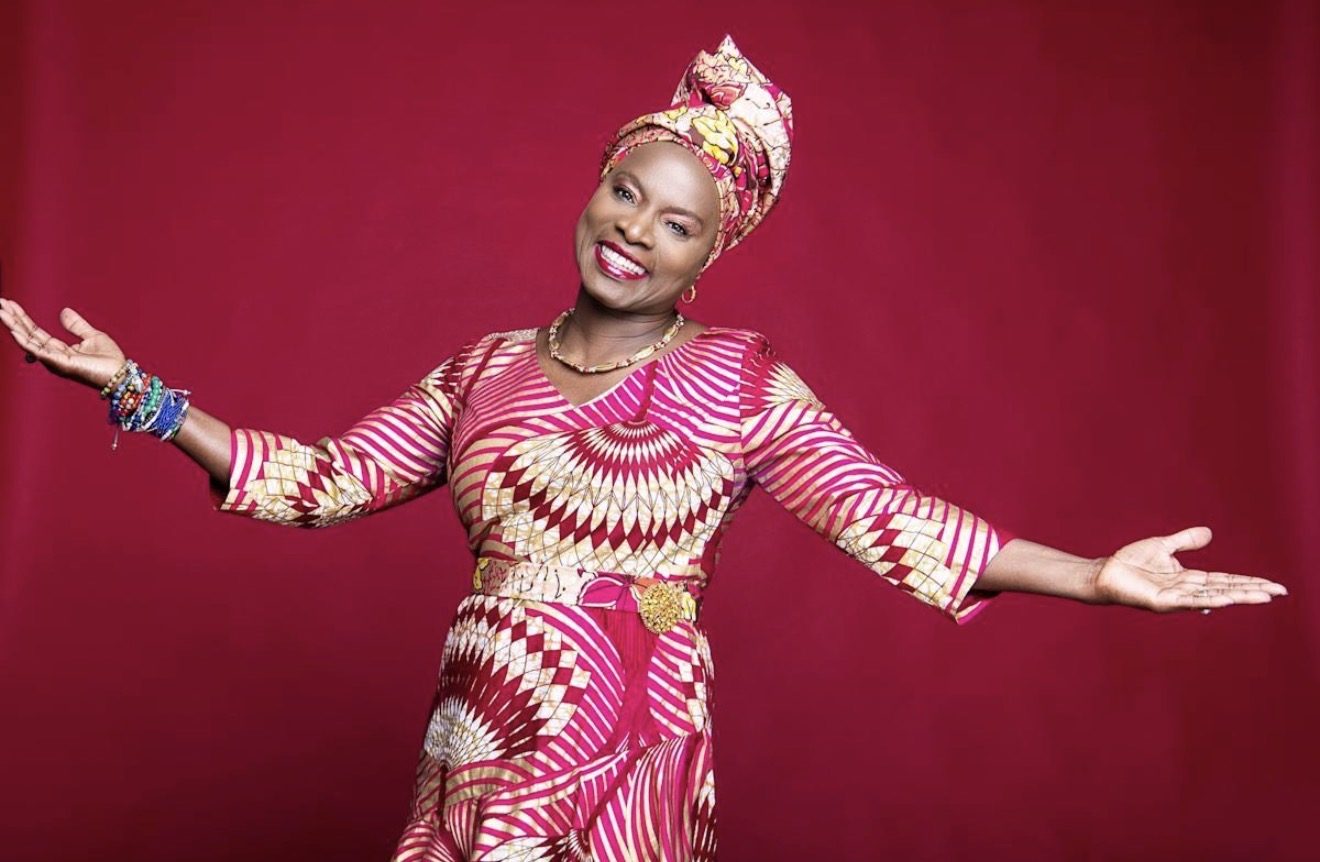
What is the true power of a voice?
Is it the ability to fill a stadium with thousands of cheering fans? To sell millions of records? To win prestigious international awards?
Or is it the ability to speak for a young girl whose dreams may never be heard?
For Angélique Kidjo, one of Africa’s most celebrated musical icons, the answer goes far beyond entertainment.
For decades, her extraordinary voice has travelled across continents, carrying the rhythms, languages and cultural pride of Africa to audiences around the world. But away from the concert stages, she has been fighting another battle: ensuring that African girls have the opportunity to go to school, develop their potential and determine their own futures.
She could have allowed international fame to become her greatest achievement.
Instead, she has made that fame a platform for something much bigger.
Because for Angélique Kidjo, success means very little if it cannot help someone else find their voice.
From a little girl in Benin to a global music legend
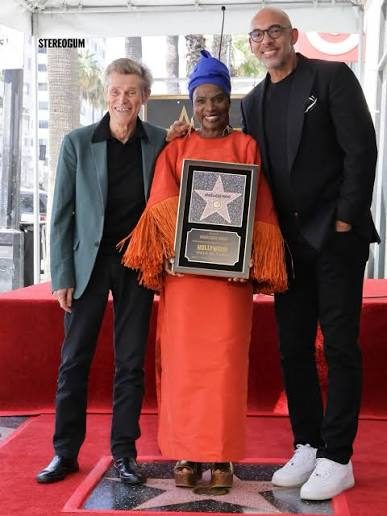
Born in Ouidah, Benin, Angélique Kidjo grew up surrounded by music, culture and artistic expression.
She began performing as a child in her mother’s theatre troupe, developing a passion for music that would eventually carry her far beyond the borders of her home country.
Her musical journey later took her to Paris, where she explored jazz and expanded an artistic style already influenced by African rhythms and traditions.
But no matter how international her career became, her African identity remained central to her work.
Through her music, Kidjo introduced global audiences to the richness of African culture, combining traditional sounds with jazz, funk, soul and contemporary influences.
She went on to win five Grammy Awards and build a career that established her as one of the most internationally recognized African performers. UNICEF +1
Yet what makes her story particularly inspiring is not simply that a young girl from Benin became a global superstar.
It is that she never forgot the girls who might not receive the same opportunities.
The girls whose dreams deserve a chance
Imagine being a young girl with extraordinary potential but growing up in an environment where your education is considered less important than that of a boy.
You may dream of becoming a doctor, an engineer, an entrepreneur or even an internationally recognized artist.
But your future could be limited long before you discover what you are capable of achieving.
Angélique Kidjo understands the importance of challenging those barriers.
In 2006, she founded the Batonga Foundation, an organization dedicated to empowering adolescent girls and young women in Africa, particularly those who are too often excluded from opportunities.
The foundation’s work focuses on building knowledge, confidence, practical skills and the social and economic opportunities girls need to shape their own lives. Batonga Foundation +1
The name Batonga carries a personal meaning. According to the foundation, Kidjo created the word as a defiant response to people who suggested girls did not belong in school.
What began as an expression of resistance became the name of an organization dedicated to helping girls imagine a different future.
That is what makes her mission so powerful.
She is not simply telling girls to dream bigger.
She is helping create conditions in which their dreams have a better chance of becoming reality.
Education is not a privilege reserved for the fortunate
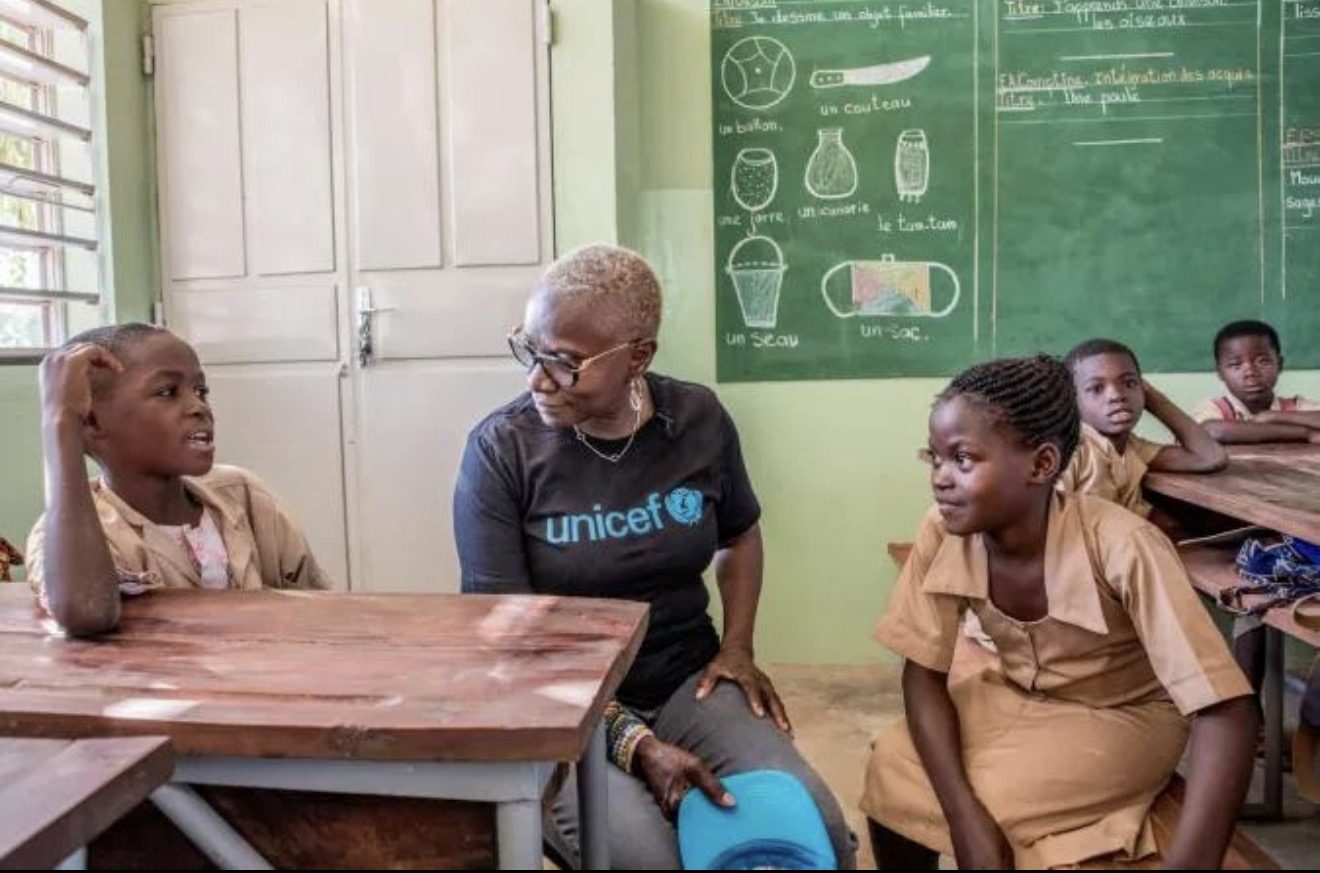
There is a difference between telling a young girl that she can become anything she wants and ensuring she has the opportunity to pursue that ambition.
Encouragement matters. But encouragement alone cannot overcome every barrier.
Girls need access to education, safe environments, economic opportunities and communities that value their potential.
Without these foundations, talent can remain undiscovered.
Kidjo’s humanitarian work recognizes that empowering girls is not only about helping individuals. It is also about strengthening families and communities.
An educated young woman may become a teacher who inspires hundreds of students, a healthcare professional who serves her community or a business owner who creates employment.
Her success can influence the opportunities available to the generation that follows.
This is why investing in girls’ education is one of the most meaningful ways to invest in Africa’s future.
A voice for children beyond the concert stage
Angélique Kidjo’s commitment to humanitarian work extends beyond her own foundation.
Since 2002, she has served as a UNICEF Goodwill Ambassador, advocating for children’s rights, education, healthcare and protection.
Her work has brought her face to face with children and families affected by poverty, conflict and limited access to essential services.
She has spoken against child marriage, supported campaigns for girls’ education and used her international recognition to draw attention to issues affecting vulnerable children. UNICEF +1
In 2026, her advocacy continued through UNICEF initiatives promoting education, child protection and opportunities for girls.
That consistency matters.
It demonstrates that her humanitarian commitments are not simply temporary campaigns associated with an album release or an international event.
They have become part of her life’s work.
She understands that a famous voice can attract attention. But she has chosen to direct that attention toward people who need it.
When African culture becomes a force for social change
There is another important dimension to Angélique Kidjo’s story.
She has helped challenge how the world sees African culture.
For too long, Africa has often been represented internationally through narratives of poverty, hardship and instability, while its creativity, talent and achievements receive less attention.
Through her music, Kidjo presents a different image.
One filled with artistic brilliance, cultural diversity, resilience and pride.
Her performances remind audiences that African culture is not something to be hidden or abandoned in pursuit of international success.
It is something to celebrate.
And this message is particularly important for young Africans growing up in the diaspora.
When they see someone who has embraced her cultural roots while achieving worldwide recognition, they receive a powerful reminder that their identity can be a source of strength.
They do not have to choose between being proudly African and being globally successful.
They can be both.
The DHR Life connection: Influence should create opportunities
The story of Angélique Kidjo reflects a central belief behind DHR Life: success becomes more meaningful when it improves the lives of others.
DHR Life recognizes that community development is not solely the responsibility of governments, philanthropists or large institutions.
Artists, entertainers, entrepreneurs, professionals and community leaders all have something valuable to contribute.
And for influential artists, that responsibility can be especially significant.
A musician can attract thousands of people to a concert.
An actor can reach millions through film.
A social media personality can influence the choices of an entire generation.
But what happens when that influence is directed toward education, mentorship, community development or helping vulnerable families?
It becomes more than popularity.
It becomes social impact.
Angélique Kidjo demonstrates that an artist does not have to abandon creativity to contribute meaningfully to society.
Instead, artistic success can provide the platform, relationships and resources needed to make a difference.
That is the kind of leadership DHR Life seeks to recognize and encourage.
A message to African artists and celebrities
Africa and its diaspora are producing an extraordinary generation of musical stars, actors, athletes, influencers and cultural entrepreneurs.
Many have built international audiences and achieved levels of recognition that previous generations could scarcely have imagined.
Their accomplishments deserve celebration.
But Angélique Kidjo’s story raises an important question:
Beyond the fame, what will remain?
When the concert is over, what opportunities have been created?
When the cameras are switched off, whose lives have improved?
When the awards have been collected, what contribution will continue to benefit the community?
Not every artist needs to establish a foundation.
A musician might sponsor scholarships for students from disadvantaged families. An entertainer might mentor young creatives. An athlete could support community sports programmes. An influencer could use their platform to amplify organizations already helping vulnerable people.
What matters is understanding that influence carries possibilities beyond personal advancement.
And when those possibilities are used thoughtfully, they can produce change that lasts far longer than a moment in the spotlight.
The girl who could become the next Angélique Kidjo
Somewhere in Africa today, there may be a young girl who loves to sing.
Perhaps she performs at home, in school or at community celebrations.
Perhaps she dreams of standing on an international stage one day.
But maybe her greatest challenge is not a lack of talent.
Maybe it is the absence of opportunity.
She may not have access to quality education, financial support or someone who believes in her ambitions.
For that girl, the work of organizations like the Batonga Foundation represents something more important than charity.
It represents possibility.
And her future may extend far beyond music.
With the right support, she may become an entrepreneur, a scientist, a doctor, a teacher or a leader capable of transforming her community.
The point is not that every girl must become famous.
The point is that every girl deserves the chance to discover how far her abilities can take her.
A legacy greater than applause
Angélique Kidjo has already secured an important place in African music history.
Her voice, performances and artistic achievements will continue to inspire generations of musicians.
But her legacy is also being shaped in places far removed from international concert halls.
In the aspirations of girls who are encouraged to pursue education.
In the confidence of young women discovering their potential.
And in the growing understanding that cultural influence can be used to challenge injustice and expand opportunity.
Her story reminds us that success should not end with personal achievement.
It should open doors.
It should inspire action.
And whenever possible, it should make life better for someone else.
For DHR Life, that is the kind of impact worth celebrating.
Because the true power of an artist is not only the ability to make the world listen.
It is the courage to use that attention to speak for people who have too often been ignored.
Angélique Kidjo may be known around the world for her music. But the opportunities she is helping create for Africa’s girls could become an equally important part of her legacy.
And perhaps that is the greatest performance of all.
Not one that ends with applause.
But one whose impact continues long after the music stops.
Stories like this show what community looks like. DHRLife exists for the moment it matters most.
DHRLife is a non-profit mutual-support network of African diaspora families in Canada. When a member passes away, every member contributes a small amount so the family can give their loved one a dignified journey home.

Keep reading

Yvie Laure Nouaga : From Healthcare to Entrepreneurship: A Journey of Purpose, Ambition and Impact
Leadership & Success
The Power of Giving Without Seeking the Spotlight
Leadership & Success
The Billionaire Who Believes Africa's Greatest Wealth Is Its People
Your story could be next
Diaspora Beat celebrates the people, businesses and events of our community. Nominate one — it’s free.
Get Diaspora Beat in your inbox
Every DHRLife member receives each new edition by email. Joining is free, and your whole family can register under one email.