Diaspora Leadership & Success Stories
The Billionaire Who Believes Africa's Greatest Wealth Is Its People

DIASPORA BEAT MAGAZINE | NOVEMBER 2026 | IMPACT & LEADERSHIP
The Billionaire Who Believes Africa’s Greatest Wealth Is Its People
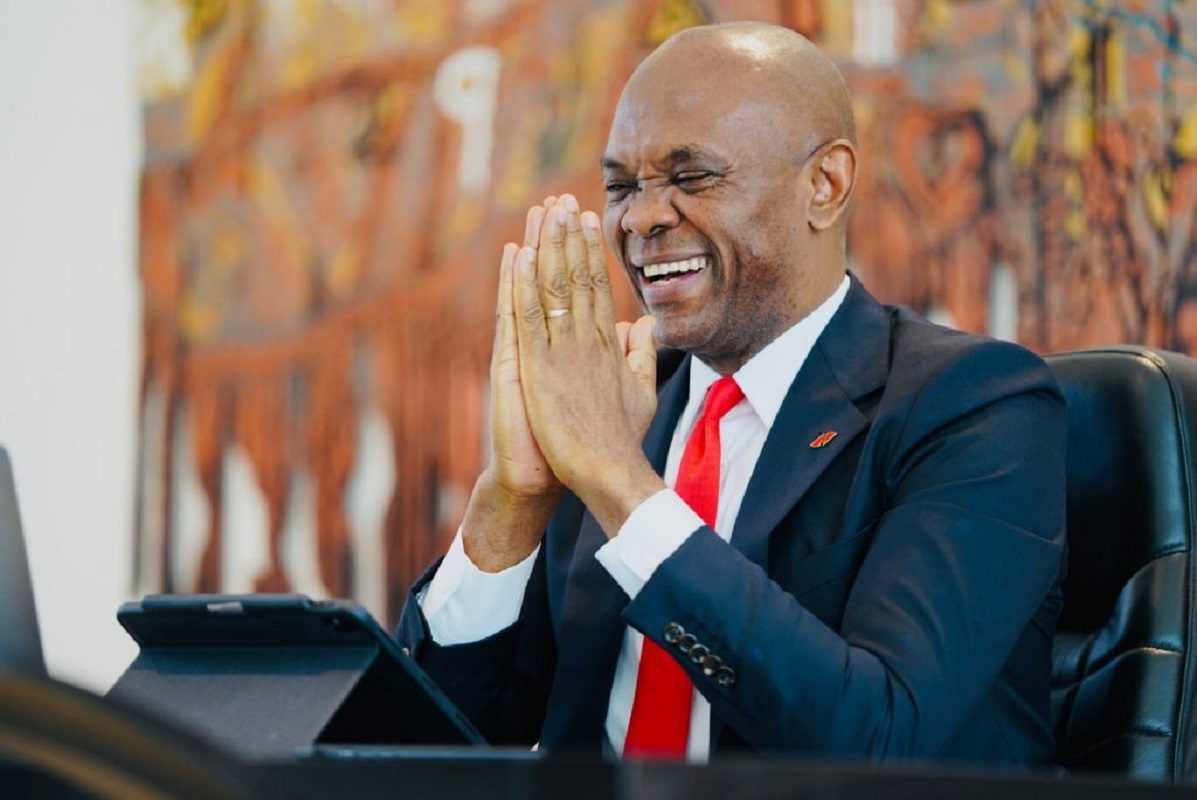
Tony Elumelu: The man investing millions to turn African dreams into businesses, businesses into jobs, and ordinary people into the architects of their own future.
By Diaspora Beat Magazine | The Official Magazine of DHR Life
What if Africa’s greatest billionaires were remembered not for how much wealth they accumulated, but for how many people they helped create wealth of their own?
For Nigerian billionaire, investor and philanthropist Tony Elumelu, this question sits at the heart of a remarkable mission: to build an Africa where talent is not wasted because of poverty, where brilliant ideas are not abandoned because of a lack of funding, and where young people have the opportunity to become employers rather than spend their lives searching for employment.
He has built an extraordinary business career. But perhaps his most important investment is not in banking, energy or real estate.
It is in people.
And through the Tony Elumelu Foundation, he is demonstrating that one person’s success can become the starting point for thousands of others.
A billionaire with a different definition of success
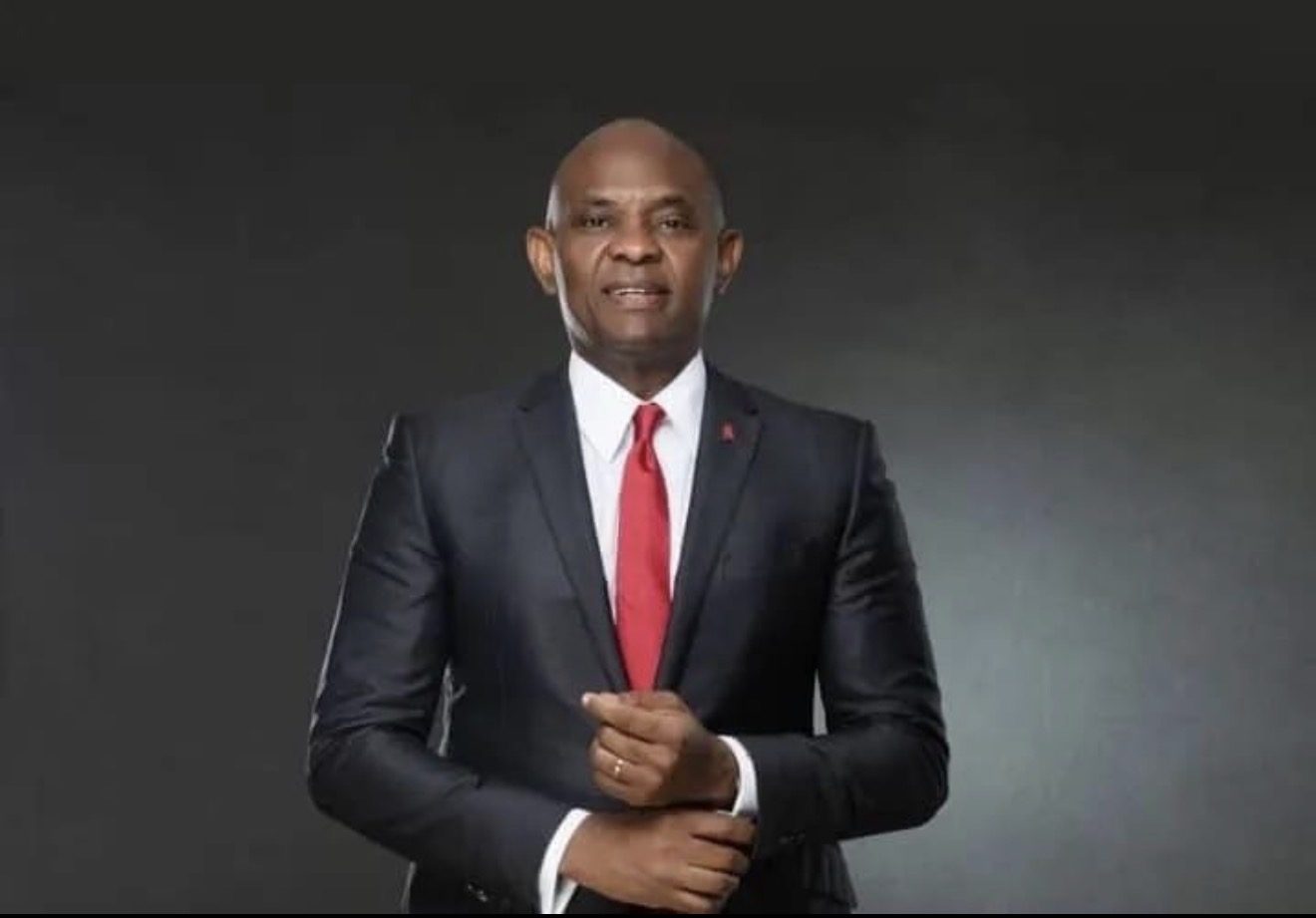
Tony Elumelu’s rise in African business is a story of ambition, determination and calculated risk.
From his early career in banking, he became one of the continent’s influential business figures, helping build the United Bank for Africa into a major pan-African financial institution. Today, his business interests extend across financial services, energy, hospitality and investments.
Yet Elumelu’s story becomes especially compelling when attention shifts from the businesses he controls to the entrepreneurs he supports.
In 2010, he established the Tony Elumelu Foundation, driven by a conviction that Africa’s economic transformation must be led by Africans themselves.
His philosophy, known as Africapitalism, argues that the private sector can be a powerful force for both economic prosperity and social progress. Tony O. Elumelu +1
Rather than simply giving money to people in need, Elumelu’s approach is to help people develop the skills, resources and businesses that can sustain them.
There is a profound difference between helping someone survive today and giving them the opportunity to become financially independent tomorrow.
Elumelu has made the latter a defining part of his legacy.
From a $5,000 investment to a lifetime of possibilities
Imagine a young woman in Cameroon with an idea for a food-processing business. She has the determination, knows her market and dreams of employing people in her community.
But she lacks the capital to purchase equipment, the business training to manage her finances and the professional connections to expand.
Her idea may never leave her notebook.
Now imagine what could change if someone believed in her potential enough to provide the tools she needed to begin.
This is the kind of barrier the Tony Elumelu Foundation was created to address.
Through its flagship entrepreneurship programme, selected entrepreneurs receive $5,000 in non-refundable seed capital, business training, mentorship and access to a network of entrepreneurs across Africa. tonyelumelufoundation.org +1
The foundation is not simply funding businesses. It is investing in possibilities.
THE IMPACT IN NUMBERS
24,000+
Entrepreneurs funded
2.5M+
Africans reached through training
1.5M+
Jobs reportedly created
$4.2B+
Reported business revenue generated
Figures reported by the Tony Elumelu Foundation in its 2025 annual report, covering its entrepreneurship programme since 2015. tonyelumelufoundation.org
Behind these numbers are businesses, livelihoods, families and communities.
A growing enterprise can mean a salary for a young graduate, a stable income for a parent, an opportunity for a woman to gain financial independence or a reason for talented people to see a future in their own communities.
This is where entrepreneurship becomes something much greater than business.
It becomes an instrument of social change.
Africa does not lack talent. It lacks enough opportunities.
Across the African continent, there are talented young people with ideas capable of transforming agriculture, healthcare, technology, education, manufacturing and countless other sectors.
But talent alone cannot pay for equipment. Ambition cannot replace access to capital. Hard work, without guidance or opportunity, does not always translate into success.
Elumelu’s work challenges the assumption that Africa must depend primarily on external assistance to develop.
His message is one of confidence in African ability, ownership and self-reliance.
It encourages young Africans to see themselves not only as beneficiaries of development, but as the people who can drive it.
That distinction matters.
When someone is given an opportunity to build a successful business, the benefits can extend beyond that individual. They may employ workers, purchase from local suppliers, support relatives, mentor others and contribute to the economic development of their community.
One opportunity can create another.
And then another.
That is how personal achievement can grow into collective progress.
The DHR Life connection: Success becomes more meaningful when it creates opportunities for others
The story of Tony Elumelu speaks directly to the values at the heart of DHR Life.
DHR Life champions the idea that community development should not be measured only by individual accomplishments, professional recognition or financial success, but also by the opportunities people create for others.
For African professionals and entrepreneurs in the diaspora, Elumelu’s example raises an important question:
What are we doing with the knowledge, influence, experience and resources we have acquired?
An African entrepreneur in Canada may not have millions of dollars to establish a foundation. But that entrepreneur may be able to mentor a young business owner back home.
A successful professional in Europe may be able to guide students who are struggling to find career opportunities.
A business owner in the United States may be able to introduce African entrepreneurs to new markets, potential partners or investors.
A community leader may be able to bring people together to share knowledge, build networks and support promising ideas.
These actions may seem small compared with the scale of a billionaire’s philanthropy. But their impact on individual lives can be enormous.
This is precisely the kind of leadership DHR Life seeks to celebrate and encourage: leadership that does not stop at personal success.
Leadership that reaches back, opens doors and brings others forward.
The responsibility of the African diaspora
There are Africans across the world building successful careers, running companies, acquiring property, advancing technology and contributing to the economies of their adopted countries.
Their achievements deserve recognition.
But their collective influence could become even more significant through knowledge-sharing, mentorship, collaboration and investment in the next generation.
Tony Elumelu’s example offers a challenge to those who have achieved success: do not underestimate the value of helping someone else begin.
Perhaps the greatest contribution a successful entrepreneur can make is not simply donating money, but sharing the experience that helped them succeed.
Teaching someone how to manage a company. Explaining how to prepare a business plan. Introducing an emerging entrepreneur to potential customers. Helping a young person build confidence in their abilities.
These are investments too.
And unlike many material possessions, the value of knowledge can multiply every time it is shared.
A legacy that cannot be measured by a bank balance
We live in a world fascinated by billionaires.
We follow their business deals, admire their properties, examine their lifestyles and celebrate their financial milestones.
But the story of Tony Elumelu invites us to look beyond wealth itself.
What matters is not only what a person owns, but what their success makes possible for others.
For an entrepreneur who receives funding and builds a sustainable business, the opportunity can be life-changing.
For an employee hired by that business, it can mean financial stability.
For a child whose parents can now afford education, it can mean an entirely different future.
These outcomes are not guaranteed by any single grant or programme. But they illustrate why access to opportunity matters so deeply.
Elumelu’s foundation is an ambitious example of what can happen when financial resources are combined with mentorship, practical support and faith in people’s potential.
And while his work focuses on entrepreneurs within Africa, its message travels far beyond the continent.
It speaks to every successful African who has ever wondered how to give something meaningful back.
It speaks to every young person who has an idea but lacks the confidence or resources to pursue it.
And it speaks to organizations like DHR Life that believe progress is stronger when people rise together.
The question every successful African should ask
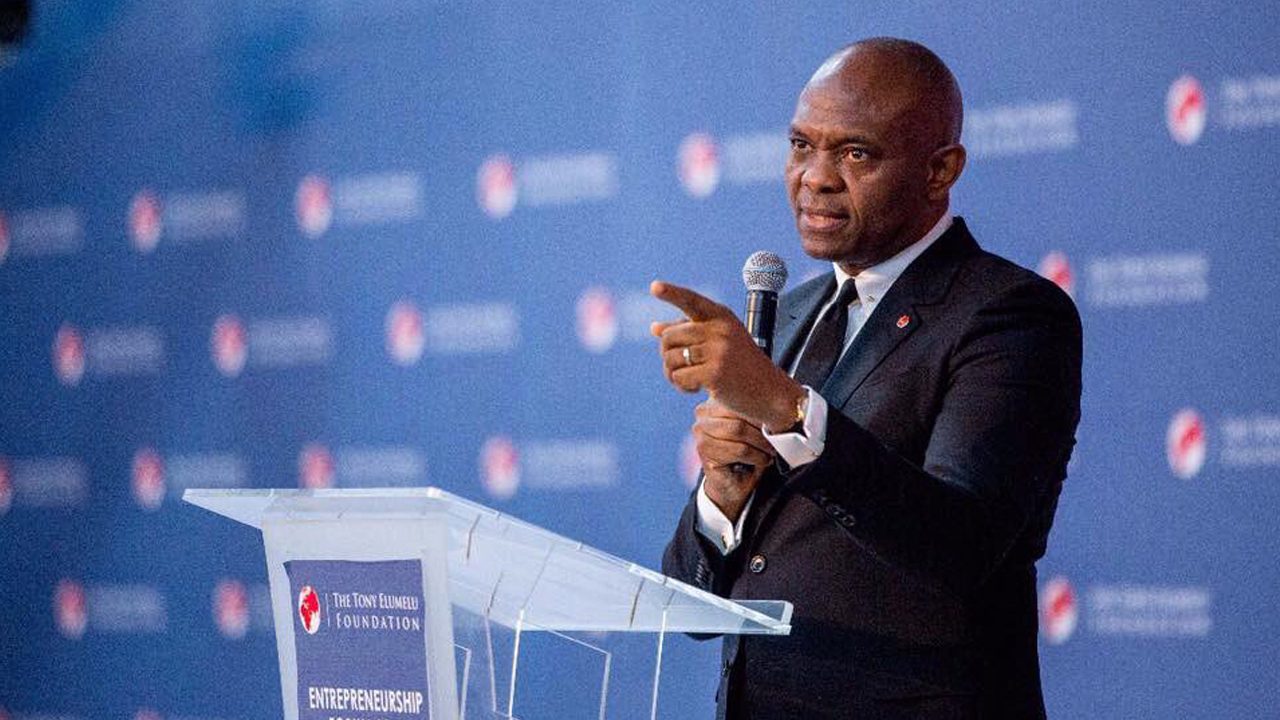
Tony Elumelu has demonstrated that wealth can do more than create comfort for the person who possesses it. It can become a tool for building opportunities for people who might otherwise remain unseen.
His example does not suggest that everyone must become a billionaire to make a difference.
Quite the opposite.
It reminds us that everyone has something valuable to contribute.
Some have money. Others have knowledge, experience, influence, relationships or simply the willingness to guide someone who is starting from nothing.
The question is whether we are prepared to share those resources.
Because the true measure of a successful life may not be how far we have travelled, but how many people have been able to move forward because we were there.
And that is the message that connects Tony Elumelu’s work with the mission of DHR Life.
Africa’s future will not be built by billionaires alone.
It will be built by millions of people who are given the opportunity to discover what they are capable of achieving.
The next great African business leader may not be sitting in a boardroom today. They may be sitting somewhere with an idea, an old laptop and a dream, waiting for someone to believe in them.
That is why investing in people may be the most powerful investment of all.
Beat Magazine is the official magazine of DHR Life, celebrating leadership, entrepreneurship, social responsibility and the people creating meaningful change in communities across Africa and the diaspora.
Stories like this show what community looks like. DHRLife exists for the moment it matters most.
DHRLife is a non-profit mutual-support network of African diaspora families in Canada. When a member passes away, every member contributes a small amount so the family can give their loved one a dignified journey home.

Keep reading

Yvie Laure Nouaga : From Healthcare to Entrepreneurship: A Journey of Purpose, Ambition and Impact
Leadership & Success
More Than Music: How Angélique Kidjo Uses Her Voice to Change Lives
Leadership & Success
The Power of Giving Without Seeking the Spotlight
Your story could be next
Diaspora Beat celebrates the people, businesses and events of our community. Nominate one — it’s free.
Get Diaspora Beat in your inbox
Every DHRLife member receives each new edition by email. Joining is free, and your whole family can register under one email.